In 2047, India will celebrate 100 years of independence. The Viksit Bharat vision — a fully developed India by its centenary — requires fundamental transformation across agriculture, infrastructure, education, and above all, manufacturing. Industrial clusters are central to it.
What Viksit Bharat 2047 Demands from Manufacturing
For India to become a developed nation by 2047, it needs to dramatically increase manufacturing GDP, create hundreds of millions of quality jobs, reduce import dependency in strategic sectors, and build genuine global export competitiveness.
None of this happens through the continuation of India's current fragmented, informal, infrastructure-starved manufacturing landscape.
The Three-Mission Framework
Make in India
Policy momentum, regulatory reform, and investment appetite are in place. But policy without physical infrastructure is incomplete. Industrial clusters are the physical infrastructure that Make in India needs to deliver on its promise.
Atmanirbhar Bharat
Self-reliance means building domestic capability to produce what India consumes and export what the world wants. Import substitution in furniture, electronics, textiles, and auto components requires integrated manufacturing capacity that only clusters can provide.
Viksit Bharat 2047
A developed India where no citizen lacks economic opportunity, where Indian-made products compete globally, and where manufacturing has fulfilled its role as the engine of mass employment and GDP growth.
The Employment Arithmetic
India needs to create approximately 8–10 million jobs per year to absorb working-age population growth. The services sector cannot absorb workers at this scale. Manufacturing within integrated clusters is the only sector with the capacity to employ at this volume across all education and skill levels.
A single large-scale cluster can generate 10,000–20,000 direct jobs and 2–3x that in indirect employment. Twenty-five clusters — the BCVPL roadmap by 2032 — represents a million-plus jobs.
The MSME Transformation Imperative
India's 63 million MSMEs are the economy's greatest asset and most under-served constituency. Fragmented supply chains, no access to modern machinery, limited market access, weak compliance capability — these are symptoms of operating outside an organised ecosystem.
Industrial clusters cure all of these symptoms simultaneously. An MSME inside a cluster has access to shared infrastructure, organised markets, financial products, compliance support, and export platforms.
Sustainability as a Core Requirement
Viksit Bharat 2047 cannot be built on environmentally unsustainable manufacturing. The next generation of Indian industrial clusters must include solar energy systems, Common Effluent Treatment Plants (CETPs) with Zero Liquid Discharge (ZLD) standards, recycling hubs, wood waste management, and ESG compliance frameworks.
The Governance Model
A two-tier governance structure:
Government Committee — policy alignment, compliance oversight, and infrastructure facilitation.
Industry Board — innovation, export strategy, and technology standards.
This public-private governance architecture makes clusters both nationally aligned and commercially viable.
The 2032 Milestone
The BCVPL national roadmap targets 25+ integrated manufacturing clusters across India by 2032. Each cluster built before 2032 is a building block. Each manufacturer who joins a cluster is a contributor to national development.
The vision is clear. The policy framework is aligned. The private sector execution capability exists.
Jai Hind. Jai Bharat. Jai Udhyog.
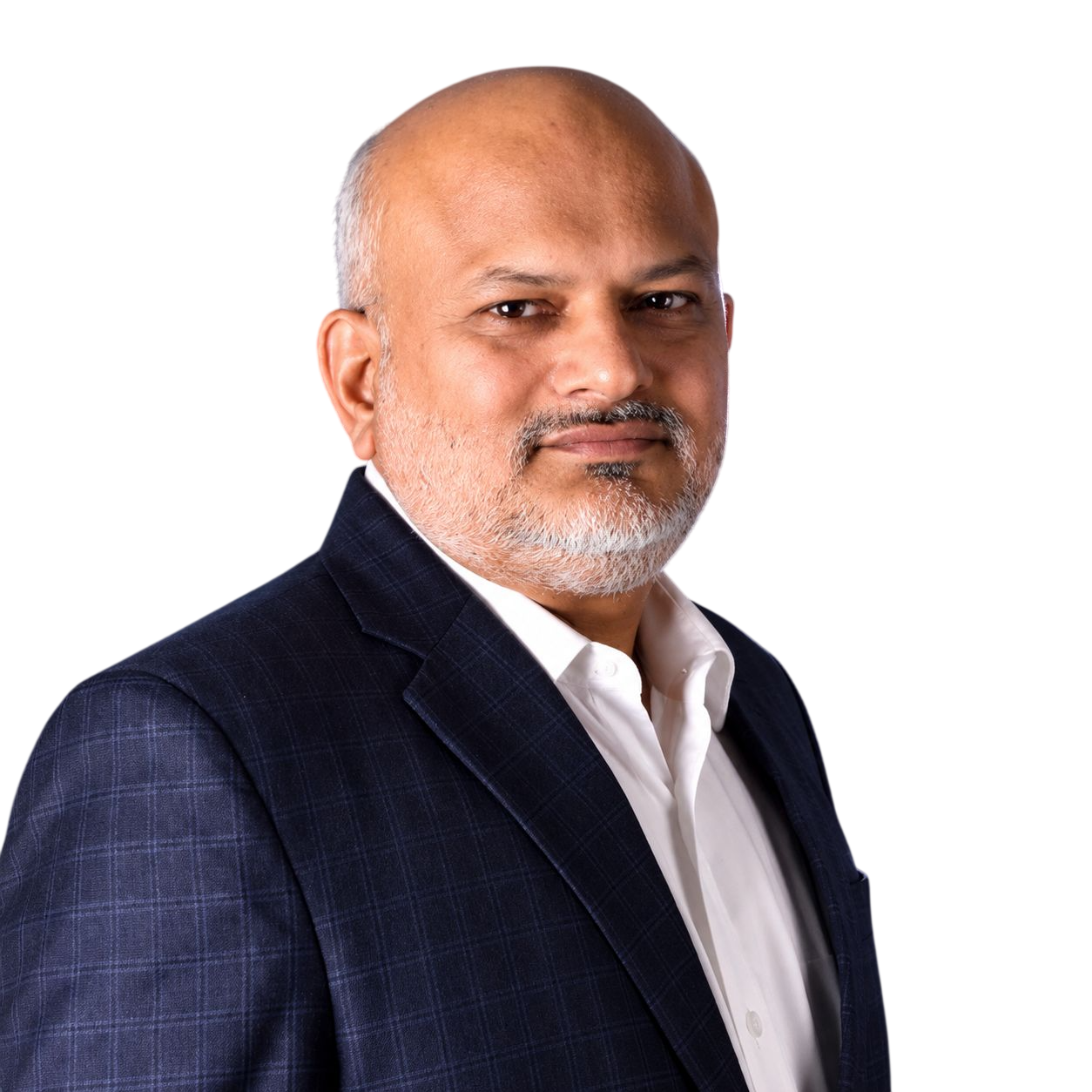
Founder of Bharat Cluster Ventures with 30+ years in furniture manufacturing, global sourcing and industrial development — building MAHA-GFC, India's first dedicated Furniture City in Palghar, Maharashtra.
Connect on LinkedIn →